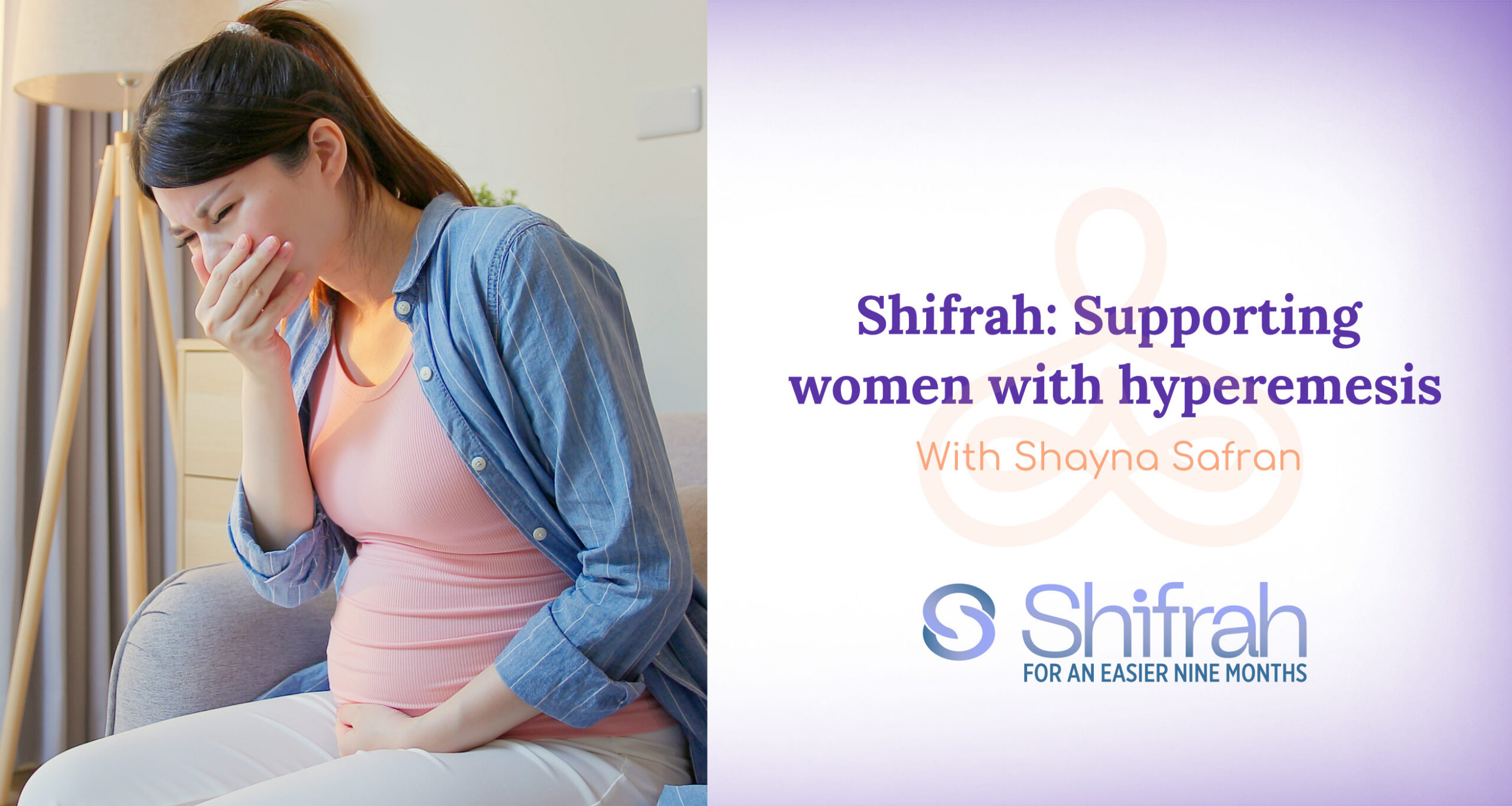
Hyperemesis gravidarum, often referred to as HG, is a severe form of pregnancy-related nausea and vomiting that goes well beyond typical morning sickness, and for many women, it can significantly impact daily functioning, nutritional status, and overall quality of life during pregnancy. In a compelling episode of the Healthful Woman Podcast, Dr. Nathan Fox spoke with Shayna Safran, a survivor of severe hyperemesis and the founder of Shifrah, a nonprofit organization dedicated to supporting women navigating this condition. Their conversation sheds light on what hyperemesis actually is, why it is so often misunderstood, and what meaningful support looks like for patients and providers alike. If you or someone you love is researching this condition, the information below may help guide your next steps. To speak with a member of our care team, please call for details.
What Is Hyperemesis Gravidarum and How Is It Different from Morning Sickness?
Hyperemesis gravidarum is not simply an intensified version of common pregnancy nausea. According to the Healthful Woman Podcast episode featuring Shayna Safran, HG is a distinct clinical condition characterized by persistent, severe nausea and vomiting during pregnancy that may lead to dehydration, weight loss, and nutritional deficiencies that require medical intervention.
Defining Features of Hyperemesis
While morning sickness typically resolves by the end of the first trimester and does not prevent adequate nutrition, hyperemesis can persist well into the second or even third trimester. Safran, who experienced multiple HG pregnancies herself, described symptoms that made it nearly impossible to maintain basic nutrition or daily activities. Research suggests that HG affects approximately 0.3 to 3 percent of pregnancies, though some experts believe it may be underreported due to inconsistent diagnosis and documentation.
The Role of Nutritional Deficiencies
One of the significant insights shared in the podcast was the discovery of vitamin deficiencies as a factor in Safran’s own experience with HG. Specifically, she discussed how addressing certain nutritional gaps contributed meaningfully to her care. This aligns with published literature suggesting that deficiencies in thiamine (vitamin B1) and other micronutrients may be associated with more severe presentations of hyperemesis. Identifying and addressing these deficiencies under the supervision of a qualified obstetric provider may play a role in a more complete care approach. If you are currently pregnant and concerned about your nutritional status, consulting with an experienced obstetric team is strongly encouraged.
Understanding the full scope of women’s health needs, including conditions that arise during pregnancy, is a core part of what our team at Carnegie Women’s Health prioritizes. You can learn more about our approach by visiting our comprehensive women’s health services and what makes us unique.
Shifrah: A Nonprofit Built from Lived Experience with Hyperemesis
Shayna Safran founded Shifrah following her own journey through multiple pregnancies affected by severe hyperemesis gravidarum. As shared in the Healthful Woman Podcast, her experience illuminated a significant gap in both patient education and provider awareness surrounding HG. Shifrah was created to address that gap directly through peer support, educational resources, and guidance tailored to both patients and clinicians.
Peer Support and Patient Empowerment
One of Shifrah’s central programs connects women currently experiencing hyperemesis with trained peer supporters who have lived through the condition themselves. According to Safran’s discussion with Dr. Fox, this kind of peer connection can be profoundly meaningful for patients who often feel isolated, dismissed, or misunderstood. Many women with HG report that their symptoms are minimized by those around them, including in some cases by healthcare providers who may conflate the condition with typical morning sickness.
Resources for Healthcare Providers
Shifrah also works directly with healthcare providers to improve understanding of HG diagnosis and management. As discussed in the podcast, improving provider literacy around hyperemesis may help women receive earlier intervention, more appropriate treatment, and better overall outcomes. This kind of collaborative, education-focused approach reflects the values held by practices like Carnegie Women’s Health, which is affiliated with Maternal Fetal Medicine Associates and Carnegie Imaging for Women, two organizations with deep experience in high-risk and complex obstetric care.
For women managing health concerns at any stage of life, including during pregnancy, our team is here to provide informed, compassionate support. We encourage you to explore our dedicated team of women’s health specialists to learn more about the expertise available to you.
How Women with Hyperemesis Can Advocate for Effective Care
A recurring theme throughout the podcast episode was the importance of self-advocacy for women experiencing hyperemesis gravidarum. Safran emphasized that patients who are well-informed about their condition are better positioned to communicate their needs clearly, ask targeted questions, and work collaboratively with their care teams toward safer and more effective outcomes.
Preparing for Provider Conversations
If you are experiencing symptoms consistent with hyperemesis, research suggests that keeping a detailed symptom log, including frequency of vomiting, fluid and food intake, and energy levels, may help your provider assess severity and tailor a care plan. The Healthful Woman Podcast episode also highlighted the value of seeking providers who are familiar with HG as a distinct clinical entity, not simply an extension of morning sickness.
Knowing When to Escalate Care
According to the discussion between Dr. Fox and Safran, women with HG should not hesitate to seek additional evaluation if their symptoms are preventing adequate hydration or nutrition, or if they are experiencing significant weight loss during pregnancy. In some cases, inpatient care or IV hydration may be necessary. Early intervention is important, and women are encouraged to consult with their obstetric provider promptly if their condition is worsening. Individual experiences with hyperemesis vary widely, and results of any care approach will depend on the individual patient’s clinical picture.
Carnegie Women’s Health is affiliated with Maternal Fetal Medicine Associates, a team with extensive experience in managing complex obstetric conditions. To learn more about your full range of care options, we invite you to review our mission and commitment to women’s health.
Why Choose Carnegie Women’s Health for Comprehensive Women’s Care?
Carnegie Women’s Health offers a full spectrum of gynecological and women’s health services, and our affiliation with Maternal Fetal Medicine Associates and Carnegie Imaging for Women means that patients have access to some of the most experienced obstetric and maternal-fetal medicine specialists in the field. Whether you are navigating a complex pregnancy concern like hyperemesis, seeking routine gynecological care, or looking for guidance on reproductive health at any stage of life, our team is equipped to provide expert, individualized support. We take a collaborative approach to care, partnering with specialists who share our commitment to evidence-based practice and compassionate patient communication. We welcome patients from across the New York area and are proud to serve women through every chapter of their health journey. To connect with our team or learn more about our services, we encourage you to contact Carnegie Women’s Health at your convenience.
Frequently Asked Questions About Hyperemesis Gravidarum
How is hyperemesis gravidarum diagnosed?
Hyperemesis gravidarum is typically diagnosed based on clinical criteria, including severe, persistent nausea and vomiting during pregnancy, significant weight loss (often defined as more than five percent of pre-pregnancy body weight), and signs of dehydration or electrolyte imbalance. There is no single definitive diagnostic test; rather, your obstetric provider will evaluate your symptoms, nutritional status, and overall clinical presentation to determine the appropriate level of care.
Is hyperemesis gravidarum dangerous for the baby?
Research suggests that when hyperemesis is identified and managed appropriately, many women go on to have healthy pregnancies. However, severe or untreated cases may be associated with complications related to inadequate nutrition and dehydration. Consulting with an experienced obstetric provider as early as possible is important if you suspect you are experiencing HG. Individual outcomes vary and depend on the severity of the condition and the timeliness of intervention.
What treatments are available for hyperemesis?
Treatment approaches for hyperemesis may include dietary modifications, hydration support, vitamin supplementation, and in some cases prescription medications that have been evaluated for safety during pregnancy. In more severe situations, IV fluids or hospitalization may be recommended. Because treatment should always be tailored to the individual, it is essential to work closely with a qualified obstetric provider. Patients should consult their provider before beginning or changing any treatment plan.
Can hyperemesis recur in subsequent pregnancies?
According to information discussed in the Healthful Woman Podcast, women who have experienced hyperemesis in one pregnancy may have a higher likelihood of experiencing it in future pregnancies, though the severity can vary. Shayna Safran’s own story, shared through Shifrah’s outreach, reflects this pattern. Women with a history of HG are encouraged to discuss their previous experience with their provider early in any subsequent pregnancy to allow for proactive planning and support.
How can I find support if I am currently experiencing hyperemesis?
Organizations like Shifrah, as described in the Healthful Woman Podcast, offer peer support programs connecting patients with individuals who have personal experience with hyperemesis gravidarum. In addition to community support, speaking with a knowledgeable obstetric team is essential. If you are in the New York area and would like guidance, we encourage you to explore the experienced team at Carnegie Women’s Health and reach out to discuss your care options.
If you are researching hyperemesis gravidarum and looking for knowledgeable, compassionate support, Carnegie Women’s Health is here to help. Our team, affiliated with Maternal Fetal Medicine Associates and Carnegie Imaging for Women, is committed to providing comprehensive women’s health care at every stage of life. To speak with a member of our team, please contact our office.