
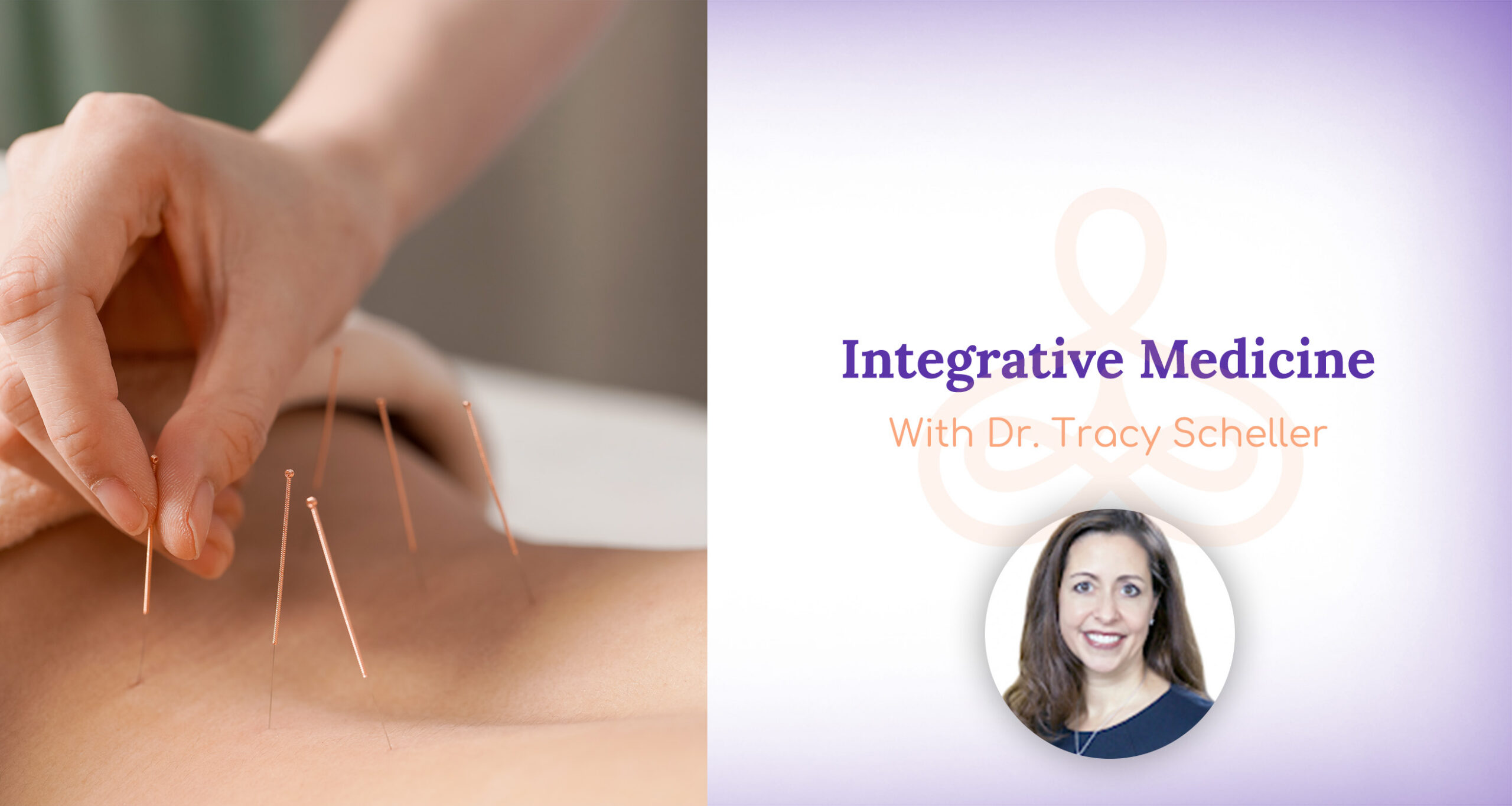
Integrative medicine is an approach to health care that combines evidence-based conventional treatments with complementary therapies, addressing the whole person rather than isolated symptoms. In a conversation between Dr. Nathan Fox and Dr. Tracy Scheller, an OB-GYN and fellowship-trained integrative medicine physician, the two explored how this model of care is reshaping women’s health across every stage of life. If you are researching how nutrition, stress management, mindfulness, and lifestyle changes may support your long-term wellness alongside your existing gynecological care, this page was written with you in mind. To speak with our team about your health goals, call us for details.
What Is Integrative Medicine and How Does It Differ from Conventional Care
Integrative medicine is not a rejection of conventional medicine. As Dr. Scheller explained in her conversation with Dr. Fox, it is an expansion of it. Where conventional care often focuses on diagnosing and treating a specific condition, integrative medicine looks at the broader context of a patient’s life, including sleep quality, nutritional habits, stress levels, relationships, and emotional well-being.
Dr. Scheller, who trained first as an OB-GYN before completing a fellowship in integrative medicine, described the shift as moving from a disease-centered model to a patient-centered one. The goal is not to replace medications or procedures when they are warranted, but to bring additional tools into the care plan that address root contributors to illness and support the body’s capacity for healing.
It is also worth clarifying how integrative medicine differs from functional medicine, a question Dr. Fox raised directly. While both approaches consider lifestyle and underlying causes, integrative medicine tends to emphasize the therapeutic relationship and evidence-based complementary therapies, such as mindfulness-based stress reduction, nutritional counseling, and movement practices, as tools woven into conventional care. Functional medicine often places greater emphasis on detailed lab testing to identify biochemical imbalances.
For women navigating chronic conditions, hormonal changes, or mental health challenges, understanding these distinctions may help in conversations with a provider about which approach, or combination of approaches, may be most appropriate. Our team at Carnegie Women’s Health encourages informed, collaborative dialogue as a foundation of care. You can learn more about our philosophy by visiting our practice mission page.
How Integrative Medicine Supports Women’s Health Across Life Stages
One of the most compelling aspects of Dr. Scheller’s conversation with Dr. Fox was her focus on how integrative medicine applies specifically to women’s health throughout the reproductive lifespan and beyond.
During the reproductive years, integrative approaches may help address conditions such as irregular cycles, mood shifts, and stress-related hormonal disruption. Dr. Scheller emphasized that lifestyle factors, including sleep, diet, and chronic stress, can have measurable effects on hormonal balance, and that evidence-based interventions targeting these areas may complement conventional gynecological care.
Perimenopause and Menopause
Dr. Scheller highlighted perimenopause and menopause as a particularly meaningful window for integrative medicine. Women in this stage often experience a range of symptoms, from disrupted sleep to mood changes to shifts in body composition, that may not be fully addressed by a single treatment approach. Integrative medicine invites a broader conversation about nutrition, movement, stress resilience, and hormonal support working together. For women exploring hormonal support options, our team also offers bioidentical hormone replacement therapy as one component of a comprehensive wellness plan.
Chronic Conditions and Mental Health
Dr. Scheller also spoke to how integrative medicine may benefit women managing chronic conditions such as autoimmune disease, chronic pain, or anxiety. Research suggests that mindfulness-based practices, dietary modifications, and targeted stress management strategies may help reduce symptom burden and improve quality of life as part of a broader care plan. Individual results vary, and these approaches are intended to work alongside, not replace, medically necessary treatment. Patients are encouraged to discuss all aspects of their care with their provider before making changes.
The Role of Patient Partnership and Sustainable Habits in Integrative Medicine
A theme that emerged throughout the Fox and Scheller conversation was the importance of the patient’s role in their own healing. Dr. Scheller was candid that integrative medicine asks more of patients than simply taking a prescribed medication. It invites active participation: tracking patterns, adjusting habits, reflecting on lifestyle, and building a relationship with a provider who functions as a partner rather than an authority handing down directives.
Dr. Scheller discussed mindset as a genuinely clinical consideration. Patients who approach integrative care with openness and realistic expectations tend to engage more consistently with lifestyle recommendations, and that consistency is where the evidence suggests meaningful benefit is most likely to accrue over time. Results are not immediate, and sustainable habits built gradually are more likely to support long-term wellness than intensive short-term protocols.
What Patients Can Reasonably Expect
Dr. Scheller encouraged patients to think of integrative medicine as a long-term investment in health rather than a quick resolution of symptoms. She noted that small, compounding changes in areas like nutrition, sleep hygiene, and stress management may produce meaningful improvements in energy, mood, and chronic symptom management over months and years. Research suggests that this cumulative effect is well-supported for many lifestyle-related conditions, though individual results vary. Patients should always consult with a qualified provider to determine which approaches are appropriate for their specific circumstances.
For patients who are new to our practice and curious about how this type of conversation fits into a comprehensive gynecological relationship, our team page provides background on the providers and specialists we work with, and our cancer screening and prevention services reflect how we approach whole-person, proactive care throughout a woman’s life.
Why Choose Carnegie Women’s Health for Integrative and Gynecological Care
Carnegie Women’s Health is more than a gynecological practice. Our team is affiliated with Maternal Fetal Medicine Associates and Carnegie Imaging for Women, allowing us to offer a full spectrum of women’s health services that spans routine gynecological care, advanced diagnostics, and specialized expertise. This network of partnerships means patients have access to some of the most experienced maternal fetal medicine specialists and imaging professionals in the field, all coordinated through a single, relationship-centered practice.
Our approach aligns naturally with the values Dr. Scheller articulated: care that is comprehensive, evidence-informed, and genuinely centered on the individual patient. Whether you are navigating a new diagnosis, planning for pregnancy, managing perimenopausal changes, or simply investing in your long-term health, our team is prepared to walk alongside you at every stage. We welcome patients who come to us informed and asking thoughtful questions. To learn more about what distinguishes our practice, visit our what makes us unique page or contact us directly to start a conversation.
Frequently Asked Questions About Integrative Medicine
Who is a good candidate for integrative medicine?
Integrative medicine may benefit a wide range of patients, including those managing chronic conditions, hormonal changes, stress-related health concerns, or those who want to take a more proactive role in their wellness. Dr. Scheller noted in her conversation with Dr. Fox that patients who approach care with openness and a willingness to engage with lifestyle changes tend to see the most meaningful outcomes. A consultation with a qualified provider can help determine whether this approach fits your specific health goals. Individual results vary.
Is integrative medicine evidence-based?
Yes. As Dr. Scheller emphasized, integrative medicine draws on evidence-based complementary therapies, including mindfulness-based stress reduction, nutritional counseling, and movement practices, alongside conventional care. Research suggests these approaches may help reduce symptom burden for certain conditions. Providers practicing integrative medicine are expected to stay current with the clinical literature and to apply therapies that have a reasonable evidence base. Patients should ask their provider about the evidence supporting any specific recommendation made as part of their care plan.
How does integrative medicine fit into a gynecological practice?
Gynecology and integrative medicine share significant overlap, particularly around hormonal health, reproductive wellness, and chronic conditions common in women. Dr. Scheller’s background as an OB-GYN before completing her integrative medicine fellowship reflects how naturally these disciplines intersect. A gynecological practice that incorporates integrative principles may offer patients a more complete picture of how lifestyle factors connect to reproductive and overall health. Discussing your interest in integrative approaches with your gynecologist is a reasonable starting point.
Does Carnegie Women’s Health offer integrative or holistic health services?
Carnegie Women’s Health provides a comprehensive range of women’s health services, including gynecological care, cancer genetics, and preventive screening. Our affiliation with Maternal Fetal Medicine Associates and Carnegie Imaging for Women further expands the depth of care available to our patients. We encourage patients with interest in integrative health topics to raise these questions during their visit. Our team is committed to informative, collaborative conversations that reflect the full scope of your health needs and goals.
What is the difference between integrative medicine and functional medicine?
As discussed by Dr. Fox and Dr. Scheller, both approaches consider the whole patient and emphasize lifestyle and underlying contributors to illness. Integrative medicine tends to center the therapeutic relationship and evidence-based complementary therapies woven into conventional care. Functional medicine often places greater emphasis on detailed laboratory analysis to identify biochemical contributors to disease. The two approaches can overlap, and some practitioners draw from both. Consulting with a provider trained in either or both disciplines can help clarify which framework may be most useful for your situation.
Exploring integrative medicine as part of your women’s health journey is a meaningful step, and Carnegie Women’s Health is here to support that conversation. Our team offers comprehensive gynecological and preventive care grounded in clinical expertise and genuine partnership with every patient. To learn more or to schedule a consultation, call us today at call for details. Individual results vary, and all care decisions should be made in consultation with a qualified provider.