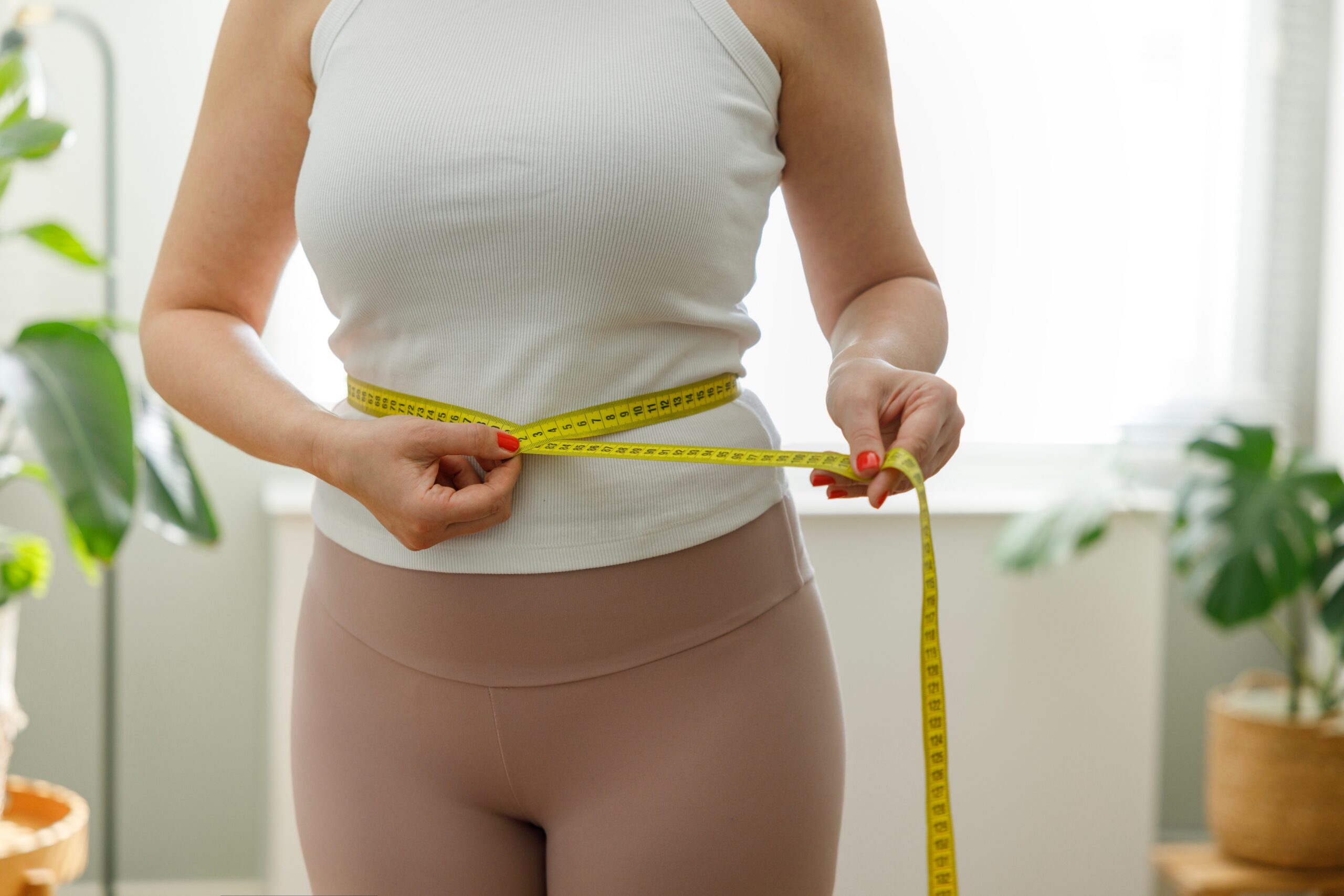
Understanding how a proper diet supports weight loss is one of the most important steps you can take for your long-term health. For women on the Upper East Side, NYC, navigating the volume of information available about eating, weight, and wellness can feel overwhelming. This guide breaks down what the evidence actually supports — from building healthier eating habits to understanding why fad diets often fall short — so you can make informed decisions alongside your healthcare provider. Topics covered include food groups to prioritize, the role of physical activity, how intermittent fasting works, and how to manage your weight loss goals sustainably.
If you’d like to discuss your individual health and weight concerns with a specialist, contact Carnegie Women’s Health to schedule a consultation.
Why Healthy Eating Is the Foundation of Weight Loss
When it comes to weight, what you eat matters as much as how much you eat. A healthy diet built around whole, nutrient-dense foods supports your body’s ability to lose weight gradually and maintain that loss over time. Research consistently shows that most people who achieve weight loss and keep it off do so through sustainable changes to their eating habits rather than short-term restriction.
According to the CDC, adults who are overweight or living with obesity face increased risk for conditions including heart disease, high blood pressure, type 2 diabetes, and other serious health problems. Addressing weight through a well-structured healthy eating plan reduces that risk while supporting your energy, mood, and overall health.
A balanced diet plan focuses on consuming all the nutrients your body needs — protein, healthy fats, complex carbohydrates, vitamins, and minerals — while moderating calories to create the modest deficit that leads to gradual, steady weight loss. Most people lose weight more effectively with this approach than with extreme restriction, which can deprive the body of essential nutrients and lead to rebound weight gain.
Healthy Foods to Build Your Eating Plan Around
Choosing the right foods is at the heart of any effective eating plan. The following food groups provide strong nutritional value while supporting weight management:
Vegetables, Fruit, and Whole Grains
Non-starchy vegetables and fruit are low calorie, high in fiber, and packed with nutrients. Eating more of these foods helps you feel full on fewer calories. Whole grains like oats, brown rice, and quinoa digest more slowly than refined grains, which helps stabilize blood sugar and reduces the urge to overeat. Canned fruits with no added sugars can be a practical and nutritious option when fresh produce isn’t available.
Lean Protein, Fish, and Beans
Protein plays an important role in preserving muscle mass while you lose weight. Fish — particularly fatty fish like salmon — provides protein alongside heart-healthy omega-3 fatty acids. Beans are an excellent plant-based protein source that also supply fiber and help you feel satisfied between meals. Including adequate protein at regular meals supports your metabolism and can reduce overall calorie intake throughout the day.
Healthy Fats and What to Limit
Not all fat is problematic. Healthy fats from sources like avocado, nuts, olive oil, and fish support hormone health and help the body absorb fat-soluble vitamins. Saturated fats, found in high quantities in red meat and full-fat dairy, should be consumed in moderation. Limiting added sugars and refined grains is consistently supported by nutrition research as a strategy to reduce calories without sacrificing nutrition.
Portion Size, Portion Control, and Calorie Awareness
Even health foods can contribute to weight gain when consumed in large quantities. Understanding portion size is a practical skill that helps you eat in a way that supports your weight loss goals without requiring obsessive calorie counting.
A few general tips that may help:
- Use smaller plates to encourage smaller portion sizes at meals.
- Eat regular meals rather than skipping breakfast or going long periods without eating, which can lead to overeating later.
- Slow down during meals — it takes time for your body to signal fullness.
- When eating high-fiber foods like beans and vegetables, be aware that increased fiber intake may cause intestinal gas initially as your digestive system adjusts.
For most people, a consistent approach to portion control over weeks and months creates a meaningful calorie deficit without the deprivation associated with very low calorie diets.
Fad Diets and Rapid Weight Loss: What the Evidence Says
Fad diets promise rapid weight loss through dramatic restriction or the elimination of entire food groups. While some fad diets may produce short-term results, research suggests that rapid weight loss achieved through extreme measures is difficult to maintain. The Academy of Nutrition and Dietetics notes that very low calorie approaches and fad diets often result in nutrient deficiencies, muscle loss, and a return to previous weight once normal eating resumes.
Rapid weight loss can also carry health risks, particularly for women with underlying conditions. Weight loss surgery may be an appropriate option for individuals with significant obesity and related health conditions, but it is a medical decision made in consultation with qualified providers — not a first-line approach for most people.
A normal diet structured around healthy foods, appropriate calories, and consistent lifestyle habits will typically outperform fad diets over a six-month to one-year period, and the results are far more likely to last.
Intermittent Fasting and Other Eating Patterns
Intermittent fasting has gained significant attention as a structured approach to managing when — rather than only what — you eat. Common intermittent fasting approaches include the 16:8 method (eating within an 8-hour window) and the 5:2 approach (eating normally five days per week and consuming fewer calories on two non-consecutive days).
Some research suggests intermittent fasting may have a positive effect on weight and metabolic health markers including blood sugar and lower blood pressure. However, intermittent fasting is not appropriate for everyone. Older adults, individuals with diabetes, those who are pregnant or breastfeeding, and people with a history of disordered eating should consult a healthcare provider before beginning any intermittent fasting protocol.
Intermittent fasting works for some people because it naturally reduces total calorie intake and simplifies decision-making around meals. It is not superior to other healthy eating approaches for every individual — the best eating plan is one you can maintain consistently as part of your long-term lifestyle.
The Role of Physical Activity in Your Weight Loss Journey
Diet alone can help most people lose weight, but combining a healthy diet with regular physical activity produces better outcomes for weight loss and overall health. The Department of Health and Human Services recommends at least 150 minutes of moderate-intensity physical activity per week for adults.
Exercise supports weight loss in several ways: it burns calories, helps preserve lean muscle during weight loss, improves insulin sensitivity, and supports heart health. It also has well-documented benefits for mood and stress management — factors that directly influence eating habits for many women.
Physical activity does not need to be intense to be effective. Walking, swimming, yoga, and cycling all contribute to a healthier lifestyle. The key is consistency over time, not intensity in the short term.
Why Choose Carnegie Women’s Health
At Carnegie Women’s Health, we understand that weight, nutrition, and overall health are deeply connected — and deeply personal. Our practice offers a full spectrum of women’s health care rooted in clinical expertise and compassionate support. We are affiliated with Maternal Fetal Medicine Associates and Carnegie Imaging for Women, allowing us to coordinate care across some of the most experienced specialists in women’s health.
Whether you are navigating weight management in the context of reproductive health, hormonal changes, or chronic conditions like diabetes or high blood pressure, our team provides individualized guidance grounded in evidence. We serve women across the Upper East Side, NYC, and surrounding neighborhoods including the Upper West Side, Midtown, and Yorkville, walking with patients through every stage of life with expert care and a compassionate approach.
Have questions about your weight loss journey or overall health? Our team can provide personalized guidance based on your individual situation. Schedule a consultation at Carnegie Women’s Health today.
Frequently Asked Questions
How many calories should I eat per day to lose weight?
Calorie needs vary based on age, height, weight, activity level, and metabolic health. Most women lose weight gradually on 1,200 to 1,500 calories per day, but individual needs differ significantly. A healthcare provider can help you determine an appropriate calorie range based on your specific health profile and weight loss goals.
Is breakfast necessary for weight loss?
Research on breakfast and weight loss shows mixed results. Some studies suggest that eating breakfast supports healthier eating habits throughout the day, while others show that skipping breakfast does not automatically lead to weight gain. What matters most is your overall eating pattern — not any single meal. Discuss your current routine with your provider to determine what works best for your body.
Can diet alone help me achieve a healthy weight without exercise?
Diet changes are responsible for the majority of weight loss for most people, and it is possible to lose weight through dietary changes alone. However, combining a healthy diet with regular physical activity produces better outcomes for maintaining weight loss and reducing the risk of heart disease, diabetes, and other health conditions. Your provider can help you build a realistic plan based on your current activity level and health status.
Are low calorie sweeteners a healthy alternative to added sugars?
Low calorie sweeteners may help some people reduce their overall added sugar intake, but research on their long-term effects on weight and metabolism is still evolving. The FDA has approved several low calorie sweeteners as safe for general use. Whether they are a helpful tool for you depends on your overall diet, health history, and weight loss goals — a topic worth discussing with your healthcare provider.
How does weight affect hormonal health in women?
Weight has a significant influence on hormonal balance. Excess weight is associated with increased estrogen production in fat tissue, which can affect menstrual regularity, fertility, and the risk of certain conditions. Losing even a modest amount of weight — as little as 5 to 10 percent of body weight — may help improve hormonal markers and reduce associated health risks in women who are overweight. Your provider can evaluate how your weight may be interacting with your hormonal health.
What is the difference between a healthy diet for weight loss and a normal diet for weight maintenance?
The food groups and core principles of a weight loss diet and a maintenance diet are largely the same. The primary difference lies in total calorie intake and portion size. A weight loss eating plan typically involves a modest calorie deficit, while a maintenance diet is calibrated to match your energy needs once you’ve reached a healthy weight. Transitioning from weight loss to maintenance is an important step that benefits from professional guidance to avoid rebound weight gain.
When should I consider speaking with a women’s health provider about my weight?
If weight gain is affecting your menstrual cycle, fertility, energy levels, or mood, or if you have a family history of diabetes, high blood pressure, or heart disease, speaking with a provider sooner rather than later is worthwhile. A women’s health specialist can assess how your weight intersects with your reproductive and overall health and help you build an evidence-based plan tailored to your needs.
Understanding how proper diet and weight loss are connected is the first step toward making changes that support your long-term health. Whether you are just beginning your weight loss journey or looking to refine your current eating plan, personalized guidance makes a meaningful difference. Carnegie Women’s Health serves women across the Upper East Side, NYC with expert, compassionate care tailored to every stage of life. Contact us today to schedule your consultation.